
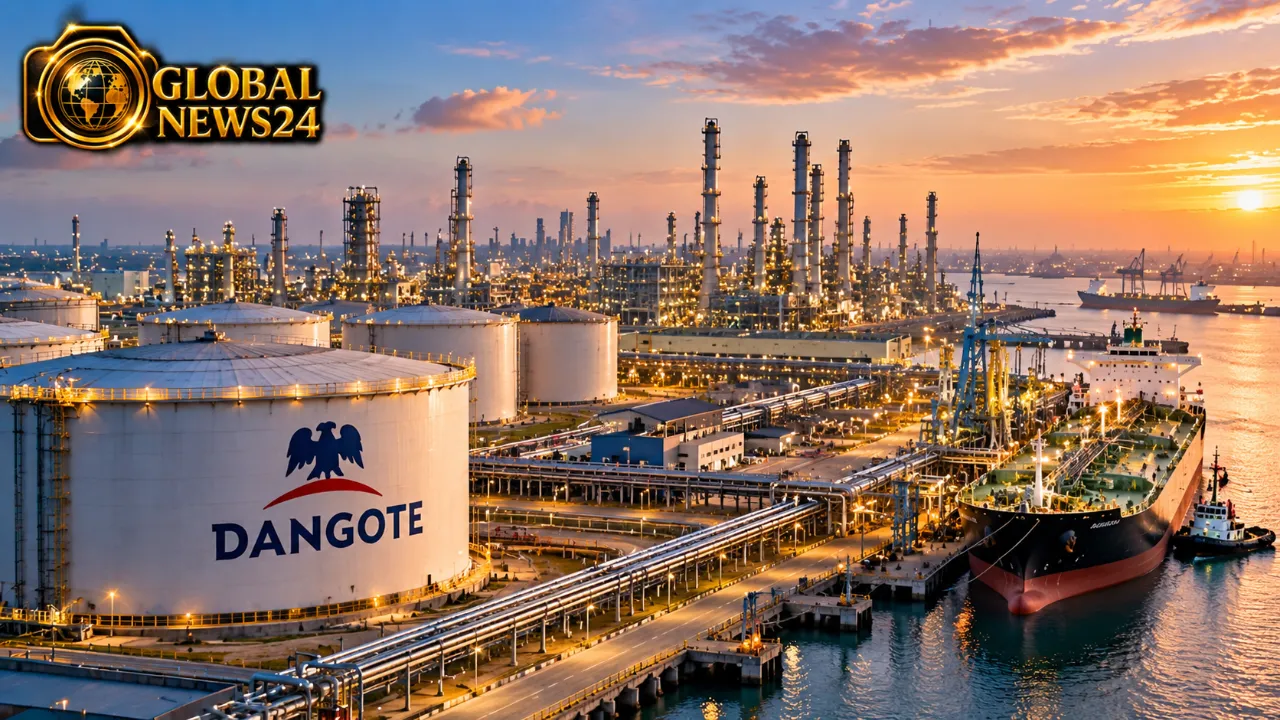
LAGOS — Nigeria’s energy sector has entered a significant new phase with the public share offering of the Dangote oil refinery, placing one of Africa’s biggest industrial projects directly before investors.
The refinery, located in the Lekki industrial area near Lagos, has become an increasingly important part of Nigeria’s strategy to expand domestic petroleum processing and reduce its historical dependence on imported refined fuels.
In September, Dangote launched an initial public offering for the refinery, with the share sale attracting attention because of both the scale of the facility and its importance to African energy markets.
The refinery’s significance extends beyond Nigeria. Its growing production capacity has positioned the facility as a potential supplier to markets elsewhere in Africa and beyond, particularly at a time when disruptions in global refining and fuel markets have increased demand for alternative sources.
Dangote has also outlined plans for a multibillion-dollar expansion intended to substantially increase the refinery’s processing capacity.
For Nigeria, the project represents a broader industrial question: whether a country that has long exported crude oil can capture more value by refining petroleum domestically and building associated manufacturing and logistics industries.
The refinery may also influence Nigeria’s foreign-exchange requirements. Historically, importing large quantities of refined petroleum products placed substantial demand on foreign currency.
At the same time, the project operates within a complex energy market shaped by crude supply, domestic fuel pricing, logistics and global petroleum prices.
The IPO adds a new dimension by connecting a major piece of Nigeria’s energy infrastructure with public capital markets.
Its performance will therefore be watched not only by energy analysts, but also by investors assessing Nigeria’s capacity to finance large-scale industrial development through domestic and international capital.