
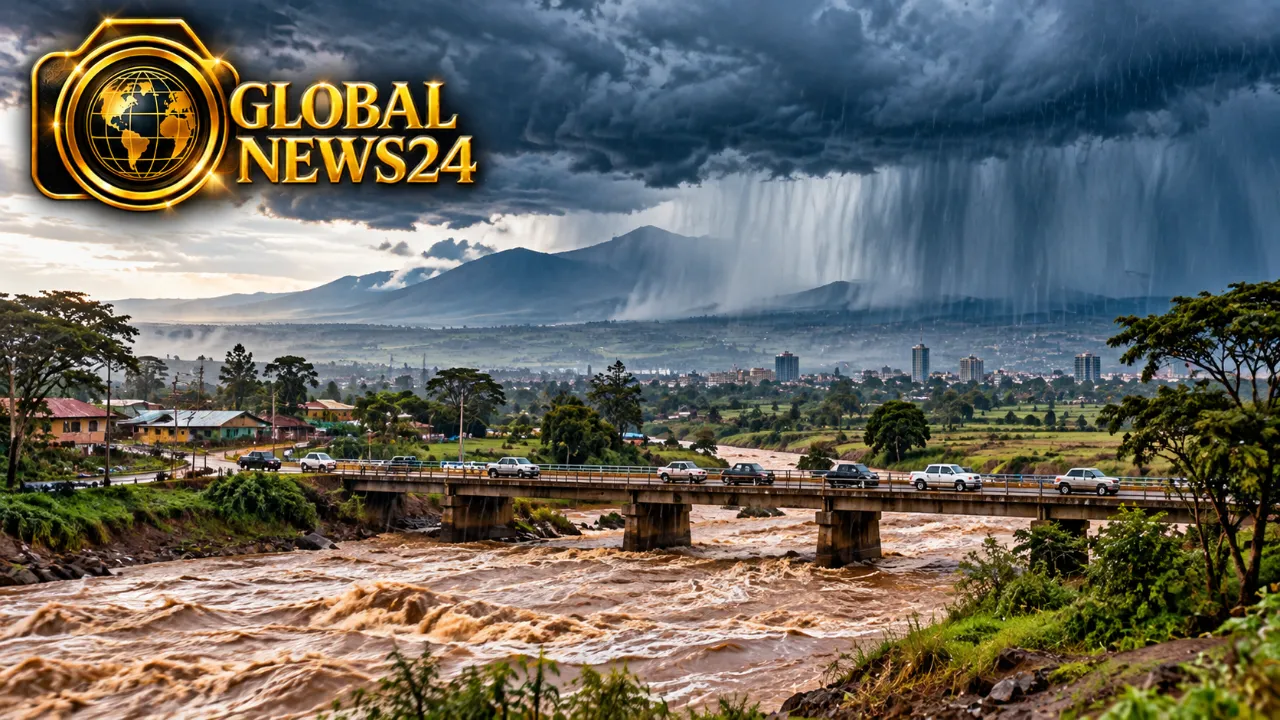
NAIROBI — Kenya is intensifying preparations for El Niño conditions as authorities warn that enhanced rainfall could affect large parts of the country during the October–December 2026 short-rains season.
Government agencies are focusing on early-warning systems and improving the delivery of weather information to communities before the most significant rains begin.
Kenya’s climate outlook indicates above-average rainfall across much of the country, although meteorological authorities have stressed that conditions will vary between regions.
The potential impacts extend well beyond flooding.
Heavy rainfall can affect agriculture, roads, schools, electricity infrastructure, water systems and health services. Flood conditions can also increase the risk of waterborne and mosquito-borne diseases.
The Ministry of Health has activated preparedness measures at national and county levels and issued guidance to all 47 counties.
Authorities have identified areas vulnerable to flooding, landslides and other weather-related hazards, while counties have been urged to strengthen emergency coordination, disease surveillance and protection of essential health facilities.
At the same time, increased rainfall can provide benefits for agriculture, pasture and water supplies when effectively managed.
That makes accurate local information particularly important for farmers and pastoral communities deciding when to plant crops, move livestock or manage water resources.
Officials are therefore emphasizing what they describe as “last-mile” communication — ensuring that weather forecasts reach communities in a form that can be translated into practical action.
Kenya’s experience with previous extreme-weather events has increased pressure for preparedness to begin before floods and other impacts occur rather than after emergencies develop.