
WASHINGTON — The contiguous United States experienced its warmest meteorological summer on record in 2026, according to the National Oceanic and Atmospheric Administration, as extreme heat and expanding drought affected large areas of the country.
NOAA’s National Centers for Environmental Information reported that the average temperature across the contiguous United States during June through August was 74.4°F, or 3.0°F above the 20th-century average.
The summer was the warmest in the 132-year national record and exceeded previous records set in 1936 and 2021 by 0.4°F.
August alone was also the warmest August recorded since national records began in 1895. The average temperature reached 75.6°F, while average daytime maximum temperatures across the contiguous United States reached 88.6°F.
Conditions varied substantially by region.
California, Nevada, New Mexico and Colorado recorded their warmest average August temperatures, according to NOAA. Meanwhile, rainfall patterns produced sharp regional contrasts, with parts of the Midwest and Ohio Valley experiencing unusually high precipitation while areas of the southern Plains and Lower Mississippi Valley remained exceptionally dry.
Texas and Oklahoma received less than 30% of their average August precipitation, while Indiana and Ohio recorded their wettest August on record.
Drought conditions also expanded significantly. About 59.1% of the contiguous United States was classified as being in drought on September 1, an increase of more than 10 percentage points from early August.
The conditions have implications beyond temperature records.
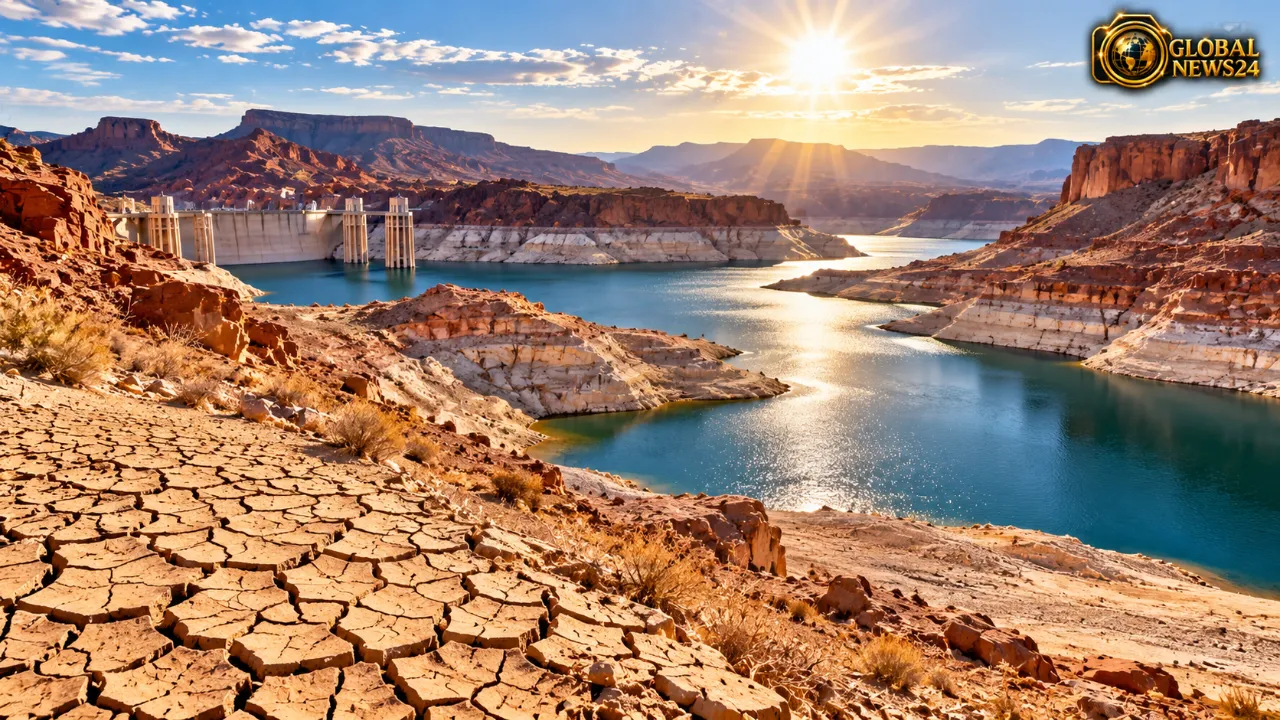
Persistent drought can affect agricultural production, reservoir levels, ecosystems and wildfire risk. Water availability is particularly important in the western United States, where cities, farms, industry and natural habitats depend on river systems and reservoirs that cross multiple state boundaries.
NOAA also reported that significant wildland fire potential for September was above average in several regions, including parts of the Northwest, northern Great Basin, southern Plains and Lower Mississippi Valley.
The 2026 summer data add to the continuing discussion over how American communities should adapt infrastructure, water management, agriculture and emergency-response systems to increasingly severe climate and weather extremes.